The Hungarian Revolution (1956)
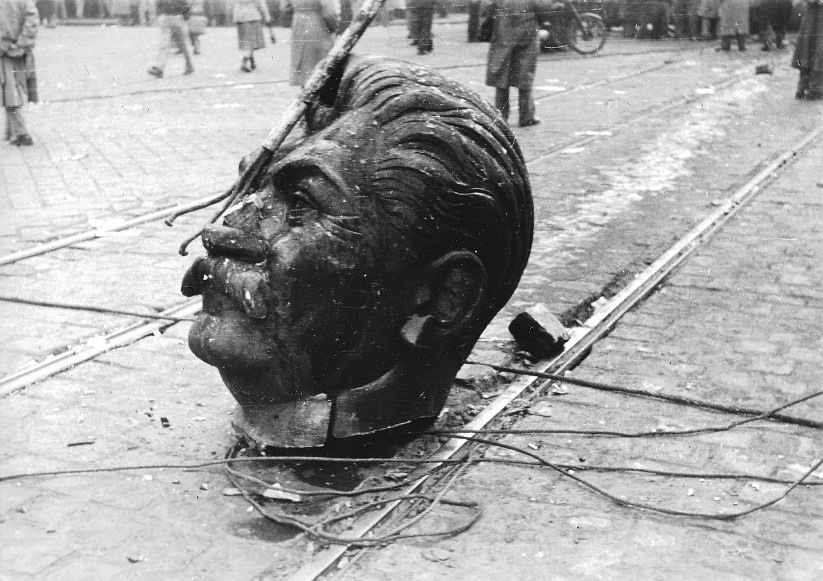
In October 1956, Hungary experienced one of the most dramatic uprisings of the Cold War. What began on October 23 as a peaceful student demonstration in Budapest quickly escalated into a nationwide revolt against Soviet control and Hungary’s communist government. For twelve intense days, citizens demanded political freedom, the withdrawal of Soviet troops, and the return of national sovereignty.
One of the most accessible historical accounts is Twelve Days: The Story of the 1956 Hungarian Revolution by Victor Sebestyen. The book reconstructs the revolution through survivor testimonies, political documents, and street-level reporting. It captures the emotional shift from hope to devastation as ordinary people — students, workers, and even soldiers — took up arms against Soviet tanks.
For a document-based perspective, The Hungarian Revolution of 1956: A History in Documents by Csaba Békés, Malcolm Byrne, and János M. Rainer provides declassified Soviet and Western diplomatic records. This work reveals the geopolitical tension behind the scenes, including the difficult decisions of Prime Minister Imre Nagy, who attempted to declare Hungary’s neutrality and withdraw from the Warsaw Pact.
James A. Michener’s The Bridge at Andau focuses on the human aftermath. After the Soviet Union launched a massive second invasion on November 4, approximately 200,000 Hungarians fled across the Austrian border. Michener’s narrative highlights the refugee crisis and the moral choices people faced during collapse.
The revolution ultimately failed militarily, but it reshaped Hungarian identity and exposed the limits of Western intervention. These books show not only the events of twelve days, but also the deeper phenomena of youth-led resistance, political idealism, superpower calculation, and the enduring power of national memory.